TL;DR
-
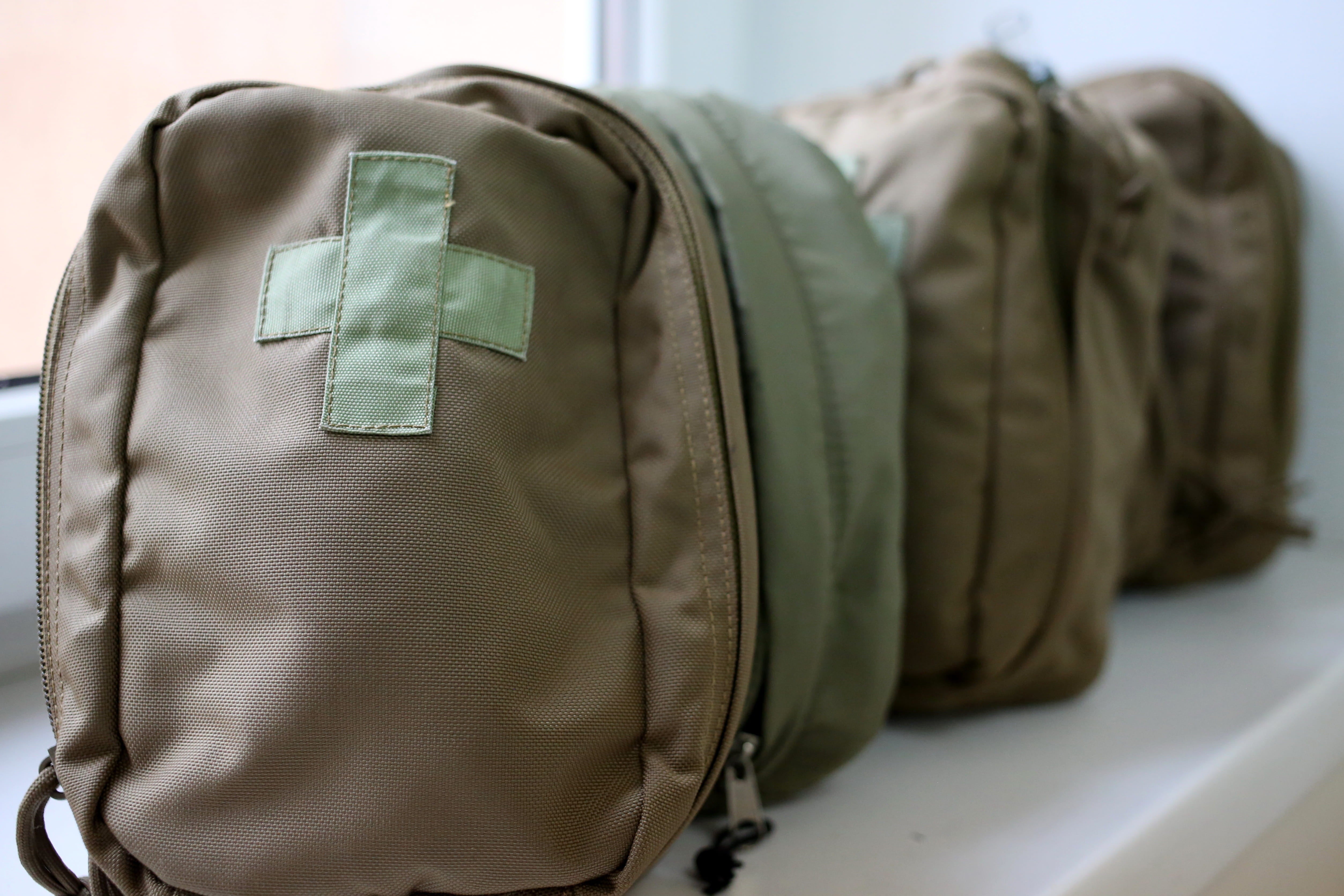
IFAK stands for Individual First Aid Kit. It is a compact trauma kit carried by military members, law enforcement, and prepared civilians.
-
The core contents are a tourniquet, hemostatic gauze, pressure bandage, chest seal, and gloves. These items are built around the MARCH protocol.
-
An IFAK is meant to treat one person in an emergency before professional medical help arrives.
-
Mount it on the non-dominant side of your plate carrier or chest rig so either hand can reach it.
-
You can buy a pre-packed IFAK or build your own. Both work as long as the kit covers the MARCH priorities.
-
Always label your IFAK visibly and practice accessing it so your hands know where to go under stress.
When a life threatening injury occurs, the clock starts ticking immediately. Severe arterial bleeding can cause a casualty to bleed out in under three minutes, making immediate response the only factor that separates survival from mortality. This reality is why the IFAK exists.
An Individual First Aid Kit is not a standard box of band aids for minor scrapes. It is a specialized, rapid access trauma kit designed to keep a person alive during the critical window between injury and professional medical treatment. For military members, law enforcement officers, and prepared individuals, carrying one is a non negotiable aspect of operational readiness.
What Does IFAK Stand For?
As we mentioned, the IFAK stands for Individual First Aid Kit, but in an army context, the acronym refers specifically to the Improved First Aid Kit. The US military originally issued these kits to every deploying soldier through the Rapid Fielding Initiative during operations in Iraq and Afghanistan. The Army later updated the standard kit to the IFAK II in 2014 to add components like eye shields and tactical burn dressings.
Over the last two decades, the acronym and the concept have moved from military deployment lines into law enforcement fleets and civilian emergency preparedness.
What Is an IFAK Used For?
An IFAK treats one person for life threatening trauma at the point of injury, before professional care arrives. The components inside are selected specifically to counter the four leading preventable causes of battlefield death, which are severe bleeding, airway obstruction, tension pneumothorax, and hypothermia.
An IFAK is used for self aid and buddy aid. Self aid means treating yourself when you are injured. Buddy aid means treating a teammate using their IFAK, not yours. The standing tactical rule is to always use the injured person's IFAK first so that your personal medical gear remains intact in case you become a casualty later.

What Goes in an IFAK?
The contents of a tactical medical kit are dictated by the MARCH protocol. Medics and operators use this framework to prioritize trauma care in order of what kills a casualty fastest.
M: Massive Hemorrhage
-
Tourniquet: A Combat Application Tourniquet (CAT) or SOF Tourniquet (SOFTT-W) is the standard choice to stop life threatening bleeding from limb wounds.
-
Hemostatic gauze: Chemically treated gauze, such as QuikClot or Celox, is used to pack deep wounds in junctional areas where a tourniquet cannot be applied.
-
Pressure bandage: Often called an Israeli bandage, this item compresses the wound and holds packed dressings firmly in place.
A: Airway
-
Nasopharyngeal airway (NPA): This flexible tube keeps an airway open in an unconscious patient when inserted through the nasal passage.
-
Surgical gloves: Two pairs of nitrile gloves protect the provider against bloodborne pathogens during treatment.
R: Respiration
-
Chest seals: Two vented chest seals are included to seal penetrating chest wounds and prevent a collapsed lung.
C: Circulation and H: Hypothermia
-
Emergency blanket: A lightweight mylar blanket helps retain body heat and prevent hypothermia, which is a common and lethal complication of severe blood loss.
Additional Items
-
Trauma shears: These heavy duty scissors cut through thick uniforms, nylon webbing, and boots to expose injuries.
-
Permanent marker: A marker is used to write the exact tourniquet application time directly on the patient's skin or tourniquet time strap.
-
Instruction card: A basic reference card helps users track treatment steps under high stress conditions.
IFAK vs Standard First Aid Kit
A standard first aid kit covers scrapes, burns, and minor injuries that you would typically manage at home or in an office setting.
An IFAK is built specifically for severe trauma including hemorrhage control, airway management, and chest wounds.
An IFAK is not a replacement for a standard first aid kit because they cover entirely different types of emergencies. A standard kit treats non life threatening issues, while an IFAK treats injuries that could kill someone in the next five minutes. An IFAK is also exceptionally compact and designed to be carried directly on your body rather than stored in a vehicle trunk or a wall cabinet.
|
Feature |
Standard First Aid Kit |
Individual First Aid Kit (IFAK) |
|
Primary Focus |
Minor injuries, burns, and illness |
Severe, life threatening trauma |
|
Core Items |
Bandages, antiseptic, aspirin |
Tourniquets, chest seals, hemostatic gauze |
|
Portability |
Stored in boxes, bags, or vehicle trunks |
Mounted directly to a vest, belt, or armor |
|
Medical Protocol |
General first aid |
MARCH protocol / TCCC guidelines |
Where to Mount Your IFAK
Your choice of tactical gear setup determines exactly where your medical kit should sit. Proper positioning ensures you can reach your life saving gear even if one of your arms is incapacitated.
On a Plate Carrier
The standard placement for an IFAK on a plate carrier is on the non dominant side, between the cummerbund and the front plate panel. Right handed shooters typically mount the pouch on their left side. The IFAK must be accessible with either hand because your dominant hand may be injured in a fight.
Do not mount it on your back, because a rear mounted IFAK is nearly impossible to self treat from during an emergency. The pouch should be positioned so it does not interfere with your pistol draw stroke or your rifle sling. Using a rip away pouch allows you to pull the kit free quickly under stress.
On a Chest Rig
The same non dominant side principle applies when configuring a chest rig. A teammate may need to access your IFAK during buddy aid, so the placement should be easily findable without verbal instruction. Mark the pouch visibly with a red cross patch or a medical identifier so it can be spotted fast in low light.
On a Belt or Battle Belt
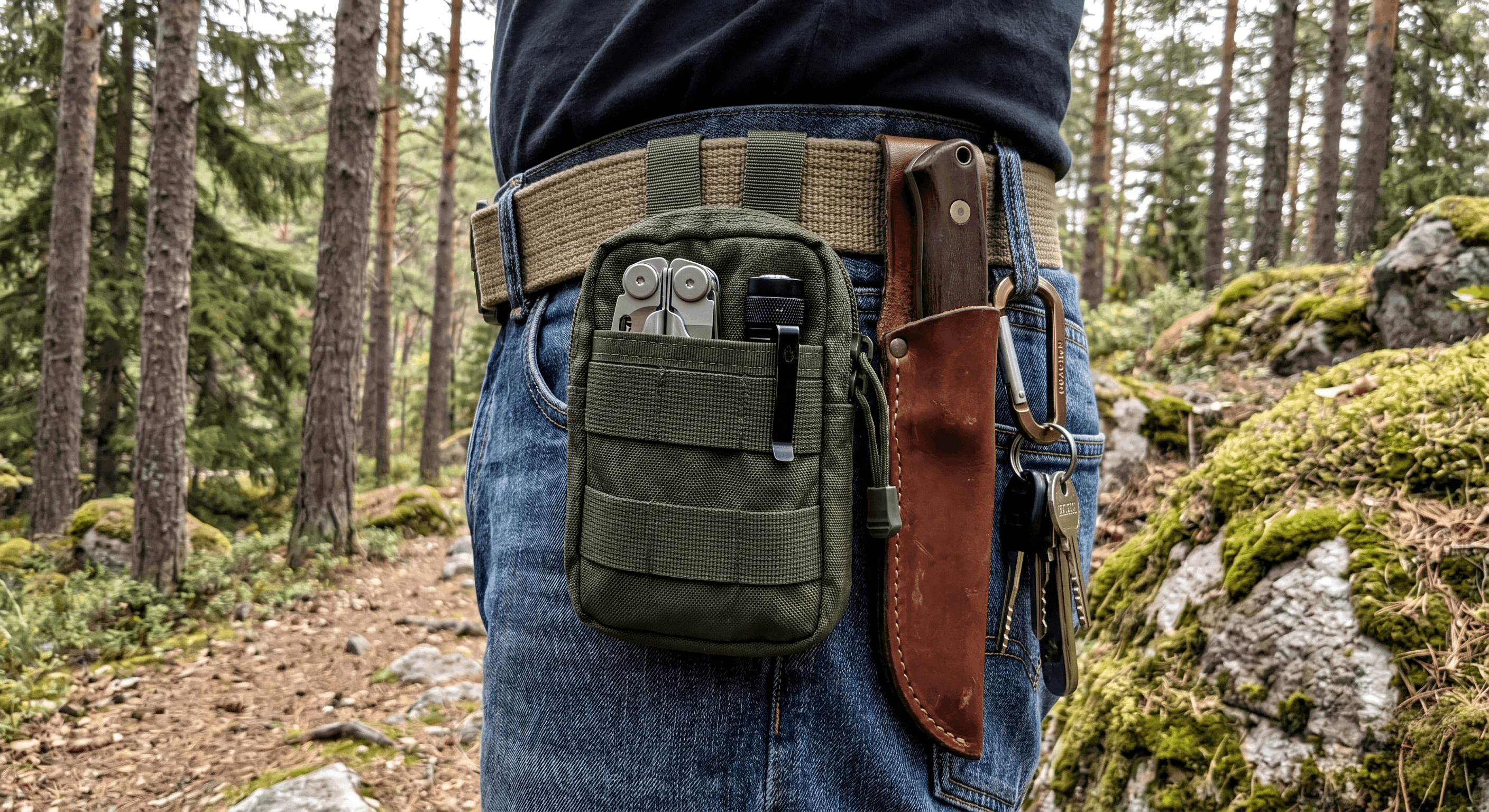
A belt mount is an excellent option for shooters who are not wearing a plate carrier or body armor. The pouch is usually mounted on the support side at the hip or just behind the hip. For a deeper look at how to balance your loadout between different setups, see our guide on choosing a plate carrier vs chest rig.
How to Build Your Own IFAK
You can buy a pre packed IFAK or build your own from scratch. Pre packed kits are the fastest and most reliable option for beginners who want certified gear immediately. Building your own kit lets you choose each specific component, which works well for experienced users who have specialized medical training.
To build your own, start by selecting a high quality IFAK pouch. Choose a rip away design with MOLLE compatibility so it mounts securely to any plate carrier, belt, or chest rig. Source the core MARCH items individually from reputable medical supply brands. Buy tourniquets and medical supplies directly from established manufacturers, because budget alternatives found on discount sites are not worth the risk of failure.
Once the kit is packed, label it clearly and do a dry run accessing it from your mounted position. Remember to check expiration dates annually and replace any expired or used items right away.
Who Should Carry an IFAK?
-
Active duty military and National Guard members who require unit standardized trauma gear.
-
Law enforcement officers and corrections officers working in high risk environments.
-
Competitive shooters and range goers who train around live firearms.
-
Hunters and backcountry recreationists operating far from immediate emergency medical services.
-
Anyone who carries a concealed firearm for personal self defense.
-
Preppers and civilians focused on disaster readiness and emergency preparedness.
Carrying the right medical equipment is only half of the equation. An IFAK is only as useful as the training behind it, and top tier medical gear cannot save a life if you do not know how to apply it under pressure. Seek out formal Tactical Combat Casualty Care (TCCC) or Stop the Bleed courses to build real proficiency. When you are ready to assemble your kit, check out our selection of tactical gear and accessories to build a foundation you can rely on.
FAQs About IFAKs
What does IFAK stand for?
IFAK stands for Individual First Aid Kit. In the U.S. Army, the term refers specifically to the Improved First Aid Kit issued to soldiers. The kit is designed to treat one person for life threatening trauma before professional medical help arrives.
What is the difference between an IFAK and a first aid kit?
A standard first aid kit is stocked for minor injuries like cuts, burns, and sprains. An IFAK is built for severe trauma, including hemorrhage control, airway management, and chest wounds. An IFAK is designed to be carried on the body and accessed quickly in an emergency.
What should be in an IFAK?
A basic IFAK should include a tourniquet, hemostatic gauze, a pressure bandage, a chest seal, a nasopharyngeal airway, and gloves. These items follow the MARCH protocol, which is the trauma care framework used by military medics and tactical medicine providers.
Where should I put my IFAK on a plate carrier?
The standard placement is on the non dominant side of the plate carrier, between the cummerbund and the front panel. It should be reachable with either hand, clearly labeled, and mounted in a rip away pouch so it can be pulled free quickly.
Can civilians carry an IFAK?
Yes. Civilians, including concealed carry holders, hunters, competitive shooters, and preppers, commonly carry IFAKs. There are no legal restrictions on owning or carrying a personal trauma kit. Training is strongly recommended.
What is the MARCH protocol?
MARCH is the trauma assessment framework used by military medics and tactical medicine providers. It stands for Massive hemorrhage, Airway, Respiration, Circulation, and Hypothermia or Head injury. IFAK contents are selected to address each category in that order.
Should I use my own IFAK on a teammate?
No. The standard rule is to always use the injured person's IFAK to treat them. This keeps your own kit intact in case you become a casualty.